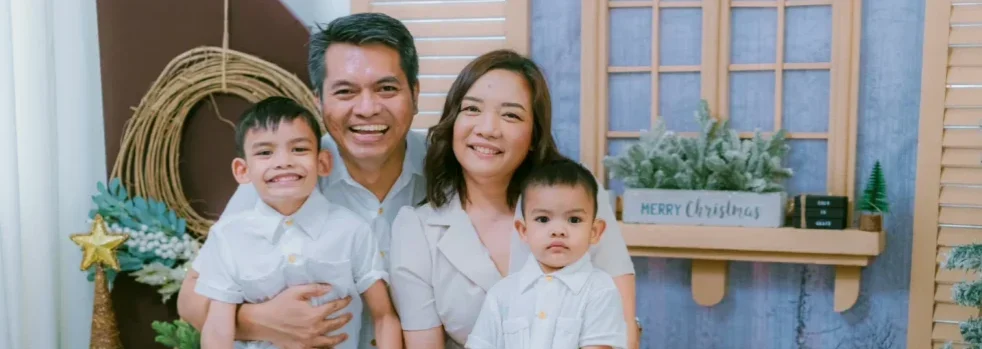
Notes from the presentation of Dr. Michele S. Alignay, a family psychologist, speaker and an author.
We grow in our parents that are not very easy to ask questions. Marami tayong mga bagay na hindi matanong sa mga magulang natin.
How askable are you as a person and as a parent?
Are you an askable parent?
- I am aware of both verbal and non-verbal communication patterns when I relate with my children
- I directly communicate with my children
- I noted that my children (teen) and I can have profound conversations about themselves and other topics
- I intentionally communicate with my children (teen) when teachable moments happen
- I observer my children (teen) to be confident, “at ease”, in communicating with me
- My children (teen) openly express their affection for us, parents
- I am open to learning from my children (teen) and evolving in the process
Filipino Families Parenting Model (Alignay, 2018)
- Parental ability
- Parental availability
- Parental askability
- Child accountability
We need to be proactive, offer yourself to be asked.
We need to be our go to person for any little matters that the digital media, social media may offer. We need to be the one who can approach by our children when there are issues, concerns, depressions, fears, joy as they grow.
Talking about sex, mental health and economic issues.
When our kids have difficulty, hindi si google ang tatanungan. We need to provide the correct family values.
Paano kung hindi ready si parent?
Being Able and Available Parents
Parental Ability
- Parents’ Self-Awareness
- Parental Skills and Relational Efficacy
- Parental Maturiy and Ability to Evolve
Paano daw kung busy sa work/meeting tapos hindi mo pa masasagot?
Good relationship with you – para may patience
Kaya ba ako tanungin ng anak ko hindi lang about sa baon at ulam na kakainin.
Pandemic really affects our parenting, paano kung hindi digitally savvy yung mga parents.
Be humble to admit na hindi ko alam. — it is the sign of maturity, openness, hindi ka perfect
Kaya mo bang mag sorry sa anak mo?
Understand your parental wounds, left over issues (mid life crisis)
Na mimirror mo yung childhood issue mo sa anak mo specially pag triggered ka.
If we love our children, we need develop.
Parental Availability
It is not enough that we are functionally present in our kids/teens’ lives.
What matters is to be emotionally “present” and they know… “I can turn to my parents no matter what…”
Am I available
Administrative -> <- Affective
Assurance na babalikan mo sila kahit busy ka
Affective availability – emotional assurance, being present
Hindi maaccess ng anak ang magulang
Bakit hindi sumusunod yung anak mo? Kulang ang connection
Connection bridges correction
Connect first, before correcting
Easy for grade school
When puberty comes, lumalayo ang loob
Puberty (they are searching for themselves, being assertive)
Dapat naestablish sa bata pa lang.
Increase more affective
Parental askability
What is your common communication style/pattern in your family?
Pakikiramdaman
• No reactive, no communication
• Paano na kung may mental health issue?
Parinigan/Pakikipagbiruan
• Verbal pero hindi direct, paringan during dinner (broadcast sa lahat)
• Parent is afraid to correct
• Nagiging dismissive
Pinagsasabihan
• Direct but one way
• Sumagot ka pa, bakit ka sumasagot
• Naiintindihan ka ba ng anak mo?
Pakikipag-kwentuhan
• Two way, direct communication
• Key to get to know our kids
• This is our goal, we want to engage in deeper connection
• Superficial
Pag-uusap
• Ito yung may drama, malalim na usapan
• Hearing each other
Have you discussed these matters with your children/teens?
1. Excessive digital use
2. Risky behavior
3. Addiction
4. Pornography
5. Sex, courtship, romantic relationships
6. Faith and religion
7. Family relationships
8. Life skills and values
How can we improve our Askability?
In being an Askabale parents, our relationship with the child/teen is primary; the contect of conversation is secondary.
In forming relationships, the values and skills we are passing on to our children will be greater if there is clarity and consistency
Compliance or Conversation orientated
Type of Communication
- Verbal and/or Non-Verbal
Sending Message
- Direct or Indirect
Pondohan mo muna talaga relationship. Invest in building relationship.
Walk the talk, because they will mirror you.
The Askable Parent
- Be aware of our verbal and non-verbal patterns
- Is this coming from my ego?
- Communicate person-to-person
- Empathy
- Kung anong ayaw mong gawin sa iyo, wag mong gawin sa anak mo
- Engage them in varied conversations
- Get into their world
- Make yourself interesting
- Talk about their dreams
- Try to converse with them about death (This is to open up more about health, and taking care of themselves)
- Engage on the current events
- Invest on the relationship, from the shallow to deepest parts of their hearts
- Share about life (hindi ka immortal, parents are still human)
- Share your mistakes, and life lessons (hindi ka perfect, si God lang)
- Make the most of teachable moments
- Share mo yung mga mistakes, yung mga bagay na hindi mo nagawa
- Teach about faith
- Relate with kids/teens in their level
- Some parents treat their teens as kids or babies
- Ayaw kasi nating magpakita ng emotion
- Show a certain degree of vulnerability
- Share your story and ask about theirs
- I want to know your opinion
- What happen to your day?
- Is there something excites/upsets you today?
- What are you thankful for today?
- Rephrase how you ask question
- Get to know each child more and more to fit the story and question to ask
- Learn from them
- Don’t put your parent hat
- Listen to them
- Be vulnerable
- It’s ok to say you are not ok.
- Hindi pwedeng hyperfaith (i-mamask mo yung issue sa faith) “pag pray mo lang yan”
- Encourage your kids to be emphatic and emotions
- Listen unconditionally
- Listen with intent (hayaan mo na sila yung bida sa kwento)
- Wag mong babarahin
- While your kids are young and little, listen to their stories, concerns, feelings.
- Don’t be judgmental
- Compose pa rin dapat, huwag kang mag exaggerate (ha, saan mo nalaman yan, bakit hindi mo sinabi?)
- Evolve in the process
- Evolve to be a better person, a better parent
If we do not make ourselves askable, then who will our children/teens ask?
Children’s accountability
Get back to them when they ask difficult question. Don’t pretend you know everything.
I don’t know yet, I would like to find out. -> to be ongoing.
You know that’s interesting, let me learn more about it.
As early 8 y.o. they should suppose to know their body before they reach puberty. Talk about puberty.
We need to raise our kids not be ignorant.
With regards to favoritism between siblings, check yourself first (parental ability), baka may pinagagalingan ka.
How not to get bullied?
Keep creating connection, allow them to assertive.
Be present with them.
